
3 year old milestones cover more ground than most parents expect, and most of it happens quietly, in the background. One day your child says something you didn’t know they knew, and the next day they fall apart over a crayon.
That meltdown not the bad behavior. It’s a three-year-old brain that do all things on routine and predictability to feel safe, and a small change can make everything feel out of order.
Then that same week, he had a complete meltdown because I put him red crayon on the wrong side of his drawing book. Full tears.
The kind that makes you look around to see if anyone has been through it. I thought it was just a Meltdown. It wasn’t — it was his routine falling to pieces, his sense of order being out of routine, him three-year-old brain working exactly the way it’s supposed to. I just had not figured it out yet.
What 3 Year Old Milestones Actually Mean
Three is one of those ages that looks like chaos from the outside and is actually a lot of development happening all at once.
The CDC’s 3-year-old milestones cover language, motor skills, emotional development, and social skills — and the ranges are wider than most parents expect. Some children are using full 4 to 5-word sentences. Some are still working on 2 to 3 words consistently. Both can be completely normal depending on the full picture.
Milestones are guidelines. That’s what every pediatrician will tell you. They’re not a checklist your child passes or fails — they’re a framework for catching things that genuinely need attention versus things that just need more time.
3 Year Old Milestones for Language
The language explosion at three is real. It genuinely happens fast.
Parents often fill in the gaps without noticing, because they always understand their own child. A good test is whether other people, like a teacher or a friend, can understand your child most of the time.
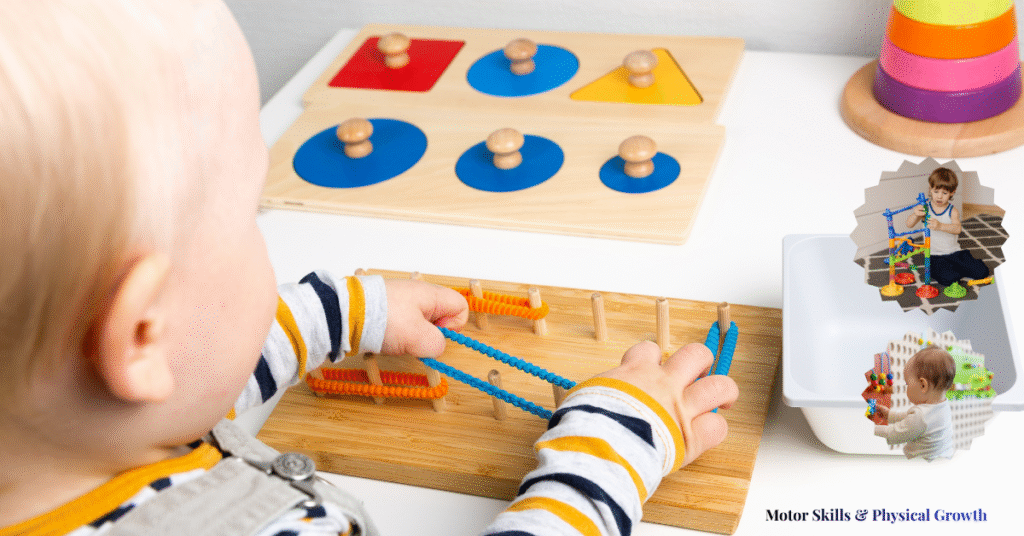
3 Year Old Milestones for Motor Skills and Physical Growth
At three, children are in constant motion. Running, jumping, and climbing things he absolutely should not have been climbing.
Most 3-year-olds run and jump easily by this age —not careful, not pretty, just totally sure of herself . Physical growth cools down compared to the first two years, around 2 to 3 inches per year in height and 4 to 6 pounds in weight every year.
It starts to feel less dramatic than those early baby months. I’ve been there — you spend the first year watching every ounce and every centimeter, and then suddenly at three it feels like they just grow steadily and quietly in the background.
The concentration piece surprised me. Many 3-year-olds can concentrate on one task for around 8 to 9 minutes. Eight to nine minutes sounds simple until you have witnessed a three-year-old sit with a puzzle for that long, staying in place.
Puzzles, drawing, and simple games give a child’s brain something to lock onto.
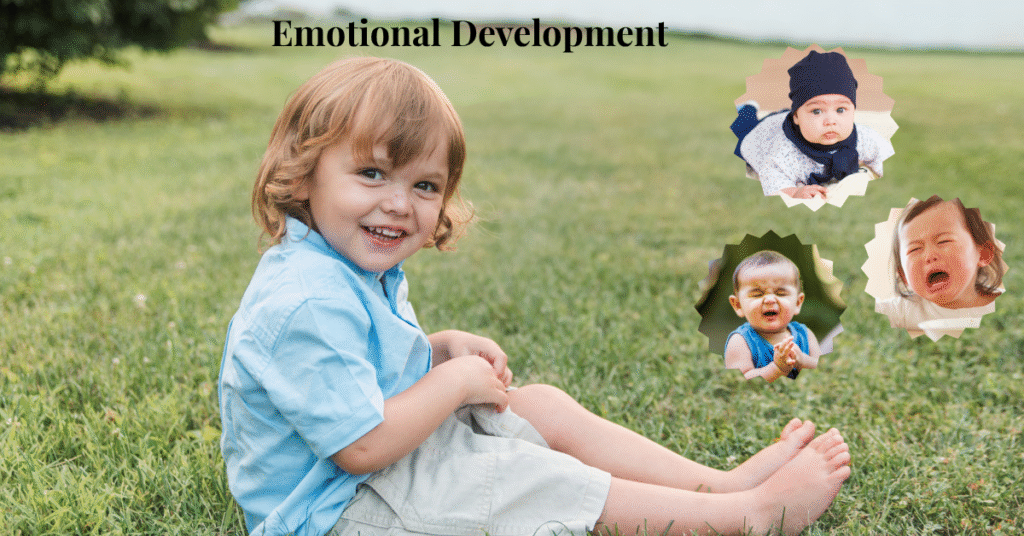
3 Year Old Milestones for Emotional Development
Warnings before transitions, a consistent routine, and keeping things where your child expects them can all help.
At three, routine is everything. Disrupting it — even something tiny like a crayon on the wrong side — can trigger a response that looks completely disproportionate. That’s not bad behavior. That’s a brain that hasn’t fully developed emotional regulation yet and depends on predictability to feel safe.
Let me be real with you — I called it a tantrum for weeks before I understood what was actually happening. Once I understood it, I stopped fighting it and started working around it. Warnings before transitions. Keeping the routine consistent. Not moving the crayon.
Here’s what nobody told me — emotional dysregulation at three is a developmental stage, not a discipline problem. Treating it like misbehavior often makes it worse. The goal isn’t to stop the feelings. It’s to help his learn to move through them. Pretend play is also huge at this age.
Many 3-year-olds start telling their whole day to a stuffed animal, feeding it invisible food, and putting every toy to sleep with its own little blanket. That imaginative play is doing quiet, serious work for language, social understanding, and emotional processing.
When to Call the Doctor About 3 Year Old Milestones
Most of what happens at three is normal — even when it doesn’t feel normal.
But some things are worth a conversation with your pediatrician. If your child’s speech is still unclear to people outside the family by age 3, mention it. If he’s not following 2 to 3 step instructions — mention it. If pretend play is completely absent, mention it.
And if skills he had before are disappearing — words he used to say, things he used to do — that’s always worth flagging. Regression without an obvious reason is something pediatricians want to know about.
The 3-year checkup is specifically designed to screen for these things. Go prepared. Write your concerns down before you walk in. You know your child better than anyone in that room.
What Helps With 3 Year Old Milestones
Two things genuinely shifted how I handled the three-year-old stage.
First, I stopped reacting to the meltdowns and started looking for the trigger. Tired? Hungry? Routine broken? Overstimulated? Almost every big reaction had a reason underneath it. Finding the reason meant I could prevent it next time instead of just surviving it.
Second, read the CDC milestone list before the 3-year checkup. Not to panic, just to know what to watch for, so you can have a real conversation with the doctor instead of a vague “I think they’re fine.
Stop comparing your child to other kids their age, and track their own progress month to month.
FAQs About 3 Year Old Milestones
Q1. My 3-year-old still has a big feeling moment over everything — is that normal?
A: Emotional episodes at three are overwhelming, but they’re not a red flag on their own. Pay closer attention if the same triggers keep repeating and nothing calms your child down. If that’s happening with your child, just mention it at the next checkup. You do not have to work through it by yourself .
Q2. Is it okay if my 3-year-old is not well potty-trained yet?
A: Not necessarily — and I wish someone had told me that earlier. Some kids are done by three, some aren’t. Both are fine. If he’s still not interested by three and a half and nothing is clicking — talk to him doctor. Don’t push harder. If you’re unsure, ask for a second opinion.
Q3. How many words is my 3-year-old meant to have at this point?
A: Stop counting words. Seriously. What matters is whether people outside your home can understand his when he talks. That’s the real test at this age. If they regularly can’t — that one needs a conversation with his pediatrician.
Q4.Is it all right that my 3-year-old takes a rest every day?
A: Many children still nap past three. Night sleep, afternoon nap, total hours — if all of that looks okay and he’s waking up happy, there’s nothing to fix here.
Q5. What should I bring up at the 3-year checkup?
A: Write things down before you go — seriously, don’t wing it. Speech clarity, how long him sentences are, Potty progress, how he plays with other kids, anything that disappeared that he used to do. That last one especially. Lost skills always need to be mentioned, even if they come back.
Three is loud and funny and exhausting and surprising all at once. Some days your child will teach you something you didn’t know they knew. Some days they will cry about a crayon are them doing exactly what they’re supposed to do.
With love from BabyGuideNest 💛
A Quick Note:
I’m a mom, not a doctor. This post is general information, not medical advice. If you’re worried about your child’s development, please talk to your pediatrician.