
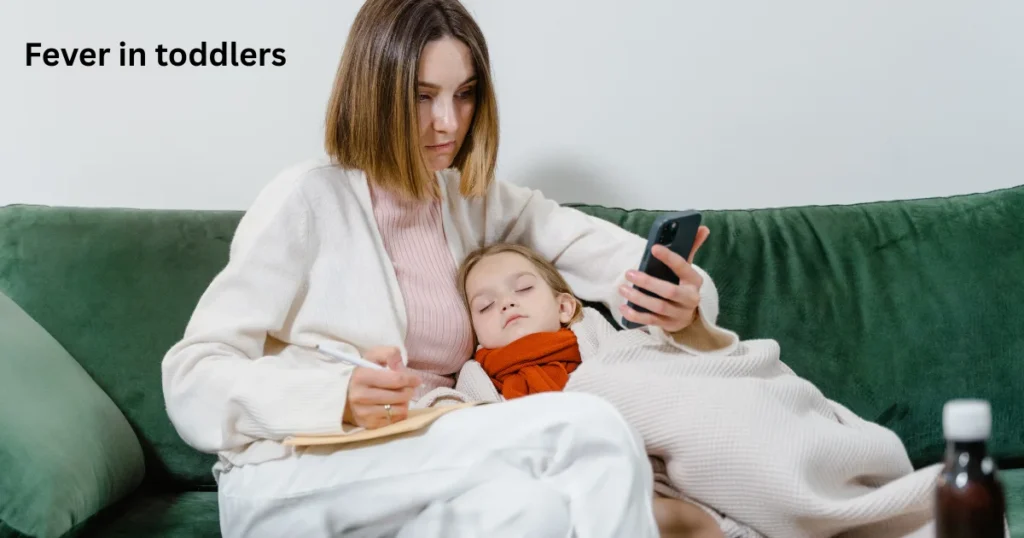
Fever in toddlers at 2am is one of the most frightening moments any parent faces — and most of us handle it completely wrong.
It’s 2 a.m. and the thermometer says 102.3. You stare at it as if it will change if you look hard enough.
Fever in toddlers — nobody prepares you for how it actually feels the first time, not the textbook version, the real one. Many parents reach for a bowl of ice water, or text a friend who’s a nurse, half hoping she’ll just say “drive to the ER” so there are no more decisions to make.
A nurse friend will usually ask just one thing: “Is your child acting like themselves otherwise?”
A warm, clingy toddler who wakes up crying, falls asleep, and wakes up crying again is usually not an emergency. Sitting by the crib and checking their forehead every twenty minutes feels like doing something, but most of that panic isn’t about a real emergency at all.
What Fever in Toddlers Actually Means
100.4°F. That’s the line. Below that — not a fever, doesn’t need anything.
Here’s the part nobody told me — most fevers in toddlers are viral. Not bacterial. Your kid’s body is literally doing its job. The fever isn’t attacking your child. It’s helping them.
And it moves around during the day, too. Lower in the morning, climbs in the evening. So if you check at 4pm and it looks scary, don’t panic before checking again later that night or the next morning. Same fever. Different numbers. Body doing its thing.
The Biggest Mistake: Watching the Thermometer — What I Actually Did Wrong
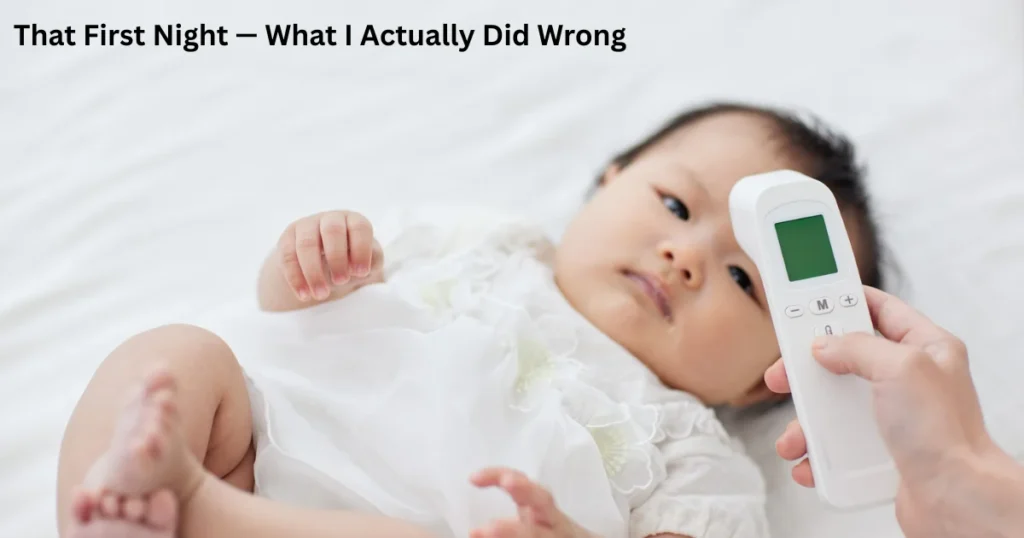
Many parents keep watching the thermometer instead of the child.
That’s the mistake. One pediatrician put it simply — treat the kid, not the number on the screen. A toddler at 101 who’s drinking water and still wants their toys is in a completely different place than a toddler at the same 101 who won’t look at you.
Mild fever, child still mostly themselves: usually fine. It’s easy to forget that at 2 a.m.
Night Two — When It Climbs to 103
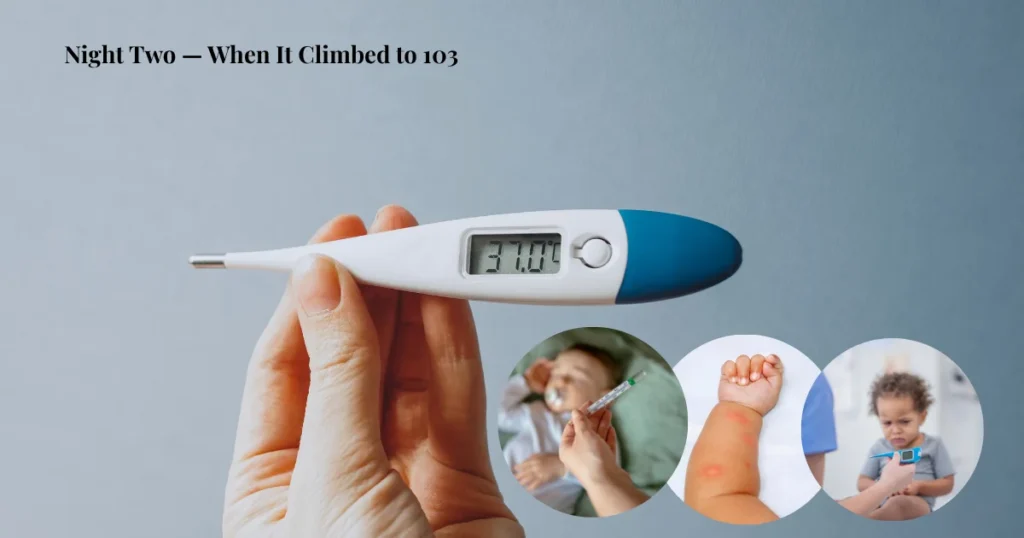
103 scares parents more than 102, even though it’s barely a degree higher. Same child. Worse number. My brain didn’t care that it was barely a degree higher.
The actual number to know: call if it goes past 104, or if medicine genuinely isn’t bringing it down at all. 103 usually isn’t there yet. Knowing that one number can help you stop white-knuckling it.
Watching that number creep up feels completely useless. What actually helps isn’t the number. It’s checking in on your child: are they drinking anything, do they respond when you talk to them, is there any energy left in them at all?
Let me be real with you: a cold bath feels like it should bring the fever down faster. It doesn’t. No need to do that.
Avoid using cold water on a sick child. It can cause shivering, which actually makes the body work harder and leaves your little one feeling worse.
The Thing That Surprised Me Most
Teething causes fever. Everyone says it, from relatives to neighbors.
It’s not true. There’s no actual evidence behind it. If your toddler has a real fever and a new tooth is coming in, those are probably two separate things happening at the same time — not one causing the other.
Febrile seizures sound terrifying just from the name. Watching your child have a seizure is every parent’s nightmare — but febrile seizures, while scary, are usually over in under two minutes and very rarely leave any lasting effects. Doesn’t mean epilepsy. Doesn’t mean brain damage. Many parents wish someone had told them this before they ever needed to know it.
And the fever itself — even a scary high number — doesn’t fry anyone’s brain. That fear is everywhere. It’s just not backed by anything real.
When You Actually Need to Call
Under 3 months old with any fever at all over 100.4 — call right away; don’t wait it out or Google first.
For older babies and toddlers who otherwise seem okay, a mild fever can usually be watched at home. Call sooner if you see a weird dark rash, unusual sleepiness that doesn’t seem like them, repeated vomiting, real pain anywhere, or medicine just not working at all.
Under 2 years, a fever lasting more than a day: call. Two and older, give it about three days before calling.
None of this is meant to scare you more. It’s the opposite — It’s the opposite. It’s what lets you stop panicking over every single degree.
What Actually Helps
Dosing by your child's actual current weight, not what worked six months ago when they were smaller.
Don’t keep switching between Tylenol and Motrin, thinking more medicine faster means better. Too many doses too close together can be dangerous. Keep your child in light pajamas instead of bundling them under blankets, because trapping heat in just makes everything worse. Keep offering water and milk even when they don’t ask for it. Stopping fluids during a fever is a real mistake, not a small one.
And honestly, stop checking the thermometer every twenty minutes. Check your child instead: their eyes, their energy, whether they’ll take a sip of something. That tells you everything the number can’t.
FAQ
1. What actually counts as a fever?
100.4°F or above. 99°F isn’t a fever, even though it feels like it should be.
2. Does teething cause fever?
No. People say it consistently, but there’s no real evidence for it. They’re happening at the same time, but one isn’t creating the other.
3. At what temperature can a fever become harmful to the brain?
Fevers from common infections don’t damage the brain. It’s one of the most common fears parents have, but it isn’t backed by the facts. A fever above 104°F, or one that won’t come down with medicine, is still a reason to call.
4. My toddler had a febrile seizure — is that epilepsy?
No. Scary to watch, usually over in under two minutes, and rarely causes lasting harm. Still worth mentioning to your doctor afterward.
5. Should I take a cold bath to bring it down fast?
No — skip that one. It causes shivering, which raises the temperature instead of lowering it. Light clothes and proper medicine dosing work better.
A fever night can feel endless. Most of the fear comes from not knowing where to focus. You don’t need to figure everything out. Just the real signs, and enough calm to notice them, or notice their absence.
With love from BabyGuideNest 💛
A Quick Note
Just a mom here, not a pediatrician. Everything here comes from my own experience and research I’ve read. If your child has a high fever, seems very unwell, or you are worried, please call your pediatrician. That conversation is always more useful than another sleepless night at home.