
How to have a smarter baby isn’t about pressure or perfection — it’s about understanding what your baby’s developing brain actually needs.
When I was pregnant with my first son, I just did what everyone said. Followed the list. Checked the boxes. No sushi. Plenty of rest. I felt like I was covering all the bases.
Then I started actually reading the research — not the generic “eat well and stay healthy” advice, but the specific science behind how a baby’s brain is literally built from scratch inside the womb. And I realized I’d been missing things that nobody had mentioned. Not small things. Things that might have genuinely mattered.
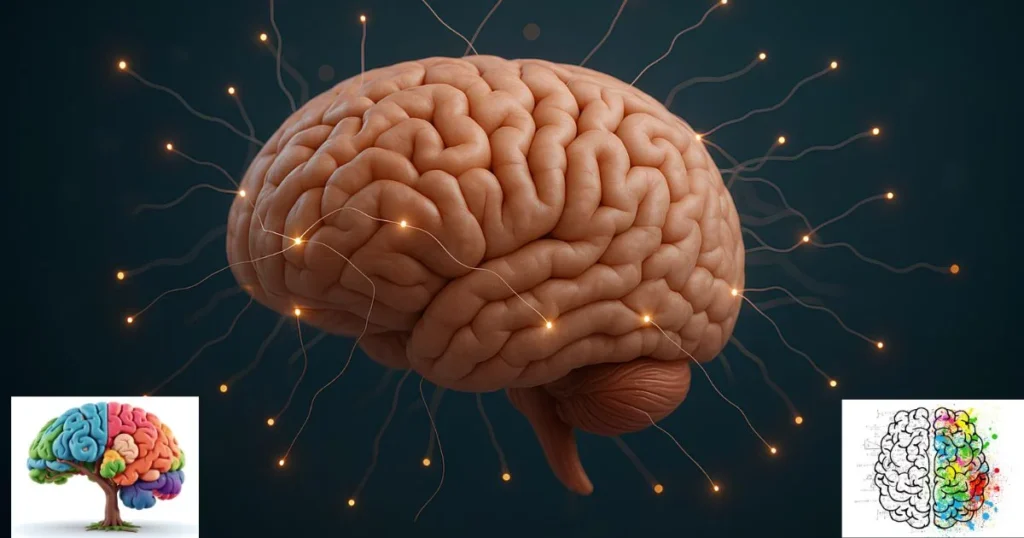
So the real answer is a few targeted choices during a window that doesn’t come back, not pressure and not perfection. It’s about understanding what your baby’s developing brain actually needs — and making a few targeted choices during a window that doesn’t come back.

How to Have a Smarter Baby: What the Science Actually Means
Fat is a major building block of the brain, and what you eat is one of the sources it is built from. The entire organ is being constructed from raw materials — and the only raw materials available are the ones you provide.
This matters more than most prenatal conversations suggest. The nutrients, environmental signals, and biological rhythms during pregnancy don’t just support the pregnancy — they actively shape the architecture of the brain being built. Understanding the specific science means moving beyond general advice and into choices that actually affect cognitive outcomes.
Put simply, how to have a smarter baby starts with giving the brain the right building blocks at the right time, not just avoiding harm.
The Fat Balance: Why Omega-3 Matters in Pregnancy
Many common cooking oils, such as soybean, canola and corn, are high in Omega-6, and the typical modern diet contains much more Omega-6 than Omega-3.
A better balance means eating more Omega-3 from foods like fatty fish. Today’s typical diet is much heavier in Omega-6 than traditional diets were, which is why Omega-3 gets so much attention.
For Omega-3s, think SMASH fish: Salmon, Mackerel, Anchovies, Sardines and Herring. Sardines and herring are good picks, high in DHA and low in mercury.
For Omega-3s, think SMASH fish: Salmon, Mackerel, Anchovies, Sardines and Herring. Sardines and herring are good picks, high in DHA and low in mercury.
The Nutrient Most Pregnant Women Have Never Heard Of
Folic acid gets all the attention. Choline gets almost none — and that’s a problem.
Choline wasn’t even officially recognized as essential until the 1990s, which is probably why it still barely appears in prenatal conversations. But research suggests choline intake supports the development of brain areas involved in memory and learning.
Surveys suggest many pregnant women don’t get enough choline. Egg yolks are one of the richest sources, and choline is also found in meat, fish, dairy, beans and some vegetables. Liver is high in choline too, but it is very high in vitamin A, and pregnancy guidance (for example from the NHS) is to avoid it, so ask your doctor first.
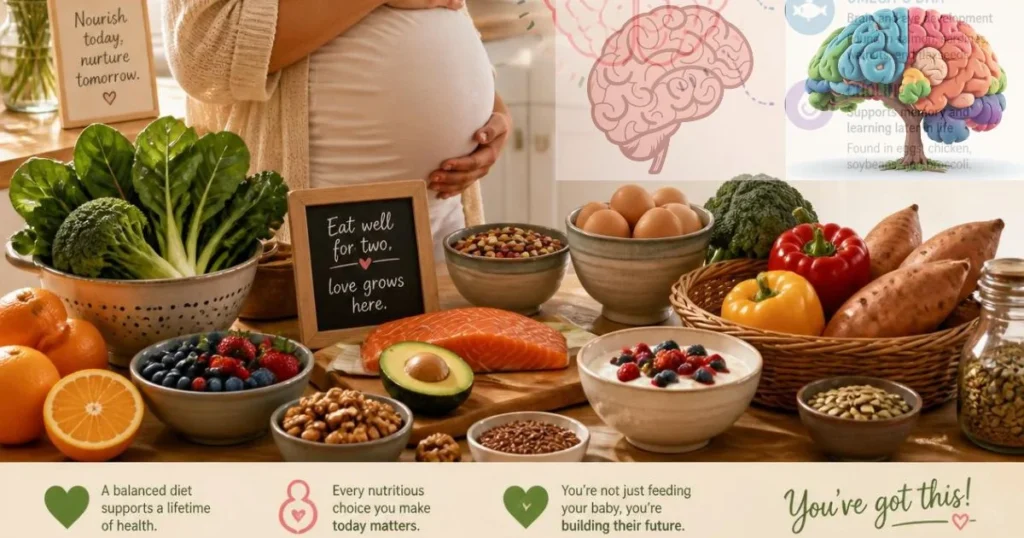
The 30-Plant Challenge: Variety on Your Plate
Same apples every week. Same tomatoes. Same lettuce. We all do it — it’s easy, it’s familiar, it requires zero thought. But a brain being built from scratch needs way more variety than that rotation ever provides.
The 30-plant challenge is simple — consume 30 different types of fruits and vegetables each week. Not 30 servings of the same things. 30 different ones. Eating a wide variety of plants helps you cover more of the vitamins, minerals and fiber you need during pregnancy.
Start tracking your produce count. Reaching 20 is a real accomplishment. To reach 30, you need to be intentional. Every time you shop, choose one new vegetable or a different leafy green. These small choices add up quickly.
This one felt small when I first read it. It isn’t. The diversity of what you eat directly affects the diversity of what’s available for your baby’s brain to work with.
Your Womb Is Already a Language Lab
Auditory development begins before birth. The last trimester is a critical window where your baby isn’t just hearing — they’re learning.
Research from the University of Washington and the University of Würzburg shows that by birth, newborns can already differentiate between their mother’s native tongue and foreign languages. More remarkably, newborns have been observed crying with intonation patterns that mimic the melody of their parents’ native language. They absorbed it before they were born.
Reading out loud during pregnancy, even when it feels strange, may help your baby become familiar with your voice. Your baby is picking up the rhythm and melody of your language well before that first breath.
In studies, babies who heard a specific story regularly in the womb showed a preference for it after birth.
The Stress-Intelligence Switch
Stress is the part of how to have a smarter baby that people talk about least.
During the last trimester, your body is constantly sending signals to your baby. Research suggests that high levels of chronic stress during pregnancy may affect how a baby’s stress-response system develops. Studies link high prenatal stress to higher rates of anxiety, depression and stress-related problems in children. It is a link, not a certainty.
When you make real room for rest, genuinely and not performatively, you lower the load on your own body, and a calmer pregnancy is good for both of you.
Many pregnant women treat rest as something to earn rather than something essential. Rest during pregnancy isn’t indulgence. It’s part of looking after both of you.
Many people find that a short break every 90 minutes or so, even 10 minutes, helps them feel less run down.
Prenatal yoga and walking are gentle options for many pregnancies. Stop and call your doctor if you have vaginal bleeding, dizziness, chest pain or regular painful cramps.
When to Talk to Your Doctor
These strategies are nutritional and behavioral — not medical treatments. But a few specific situations always warrant a conversation with your OB or midwife.
If you’re considering significant dietary changes during pregnancy — especially around animal fats, fish consumption, or organ meats — discuss it first. Fish mercury levels matter more for some women than others depending on frequency and type. If you’re already managing anxiety or depression during pregnancy, the stress piece deserves real clinical support alongside any lifestyle changes.
Your prenatal care team should know what you’re eating and how you’re managing stress. These aren’t separate conversations from your medical care — they’re part of it.
What Actually Helped Me
Three shifts made the most practical difference once I understood the research.
At home, the simplest change was cooking with less vegetable oil. Adding sardines twice a week was an affordable way to get more fish into my week.
The choline piece took more intention. Two eggs with yolks every morning became a non-negotiable. Small habits, meaningful nutrients.
And the stress management piece — that required actual structural changes, not just good intentions. Setting a timer every 90 minutes during work hours to pause for ten minutes changed how I felt by the end of each day in a way that surprised me.
A mother and her baby are an interconnected system. A well-rested, nourished, and relaxed mother creates the most suitable biological conditions for a child to reach their full cognitive potential. These five shifts aren’t about being a perfect pregnant person. They’re about understanding what’s actually happening inside and giving it what it needs.
FAQs About How to Have a Smarter Baby
1. Can what I eat during pregnancy actually affect my baby’s IQ?
Research suggests yes — specifically Omega-3 intake through DHA. A Harvard study found that increasing DHA by one gram daily during pregnancy was associated with a 1.3-point increase in baby IQ. Small but permanent. Nutrition during pregnancy doesn’t just support the pregnancy — it contributes to the brain being built.
2. What is choline and where do I get it?
Choline is an essential nutrient for fetal brain development — specifically the areas responsible for memory and learning. 94% of pregnant women do not get a sufficient amount of something. The best sources are egg yolks and liver. Most prenatal vitamins contain little to no in meaningful amounts — worth checking yours.
3. Is it safe to eat sardines and herring during pregnancy?
Sardines and herring — high DHA, almost zero mercury. Tuna and swordfish are the main fish to limit or monitor. These two are the safe swap.
4.Does stress during pregnancy actually reach my baby?
Yes — and the mechanism is specific. Chronic stress in the last trimester can flip genetic switches that push development toward survival mode instead of cognitive growth. Keeping stress under control during pregnancy matters because it can have biological effects on your baby’s brain development.
5. Do I need to eat 30 different plants every week — is that realistic?
More realistic than it sounds once you start tracking. Herbs count. Different colored peppers count as separate plants. A smoothie with five different fruits counts as five. The goal is variety, not volume — start at 15 and build from there. That is the practical side of how to have a smarter baby: small, steady habits, not a perfect plan.
These five things aren’t a formula for how to have a smarter baby, and they aren’t about doing pregnancy perfectly. They’re about understanding what’s happening inside you and making choices that support it, with your doctor’s guidance.
Looking back now that he is three, I understand those nine months differently. I wish I had found this research sooner. Once your baby arrives, our guide to baby development milestones month by month shows what to expect.
With love from BabyGuideNest 💛
A Quick Note
I’m Hafiza Sumaira, a mom of two, not a doctor or a dietitian. This post shares research I read and the choices I made during my own pregnancy, and it is for general information only. Please talk to your OB-GYN or midwife before changing your diet, fish intake, supplements or exercise, especially if you have a medical condition or a high-risk pregnancy. Every pregnancy is different, and your care team knows yours.