
First day of daycare. Ayla grabbed my jacket with both hands. Separation anxiety in toddlers — I’d read about it. Though I was prepared. Nothing could have prepared me for that sound.
Cried in the car. Actually, I cried. Then went back the next morning and tried sneaking out while she played with a toy. Thought she wouldn’t notice. She noticed in about four seconds. Her face when she realized — I still think about it. Never did it again. Full tears. Sat here for ten minutes before I was able to drive. Then I made the mistake that set us back a full week — the next morning I tried sneaking out while she was distracted with a toy. I genuinely thought she wouldn’t notice. She noticed immediately. I laughed. Actually, I laughed. I was sitting inside a locked bathroom, with my toddler waiting quietly outside the door. When my toddler laughed, that laugh made me feel better than all the parenting advice I had read that week.
And then there was the bathroom phase. Ayla followed me everywhere — including the bathroom. Every single time. One afternoon I locked the door. She sat down on the other side and waited. I could hear her little back settle against the door. Patient. I was certain I was coming back. That actually made me laugh, and helped me, actually.
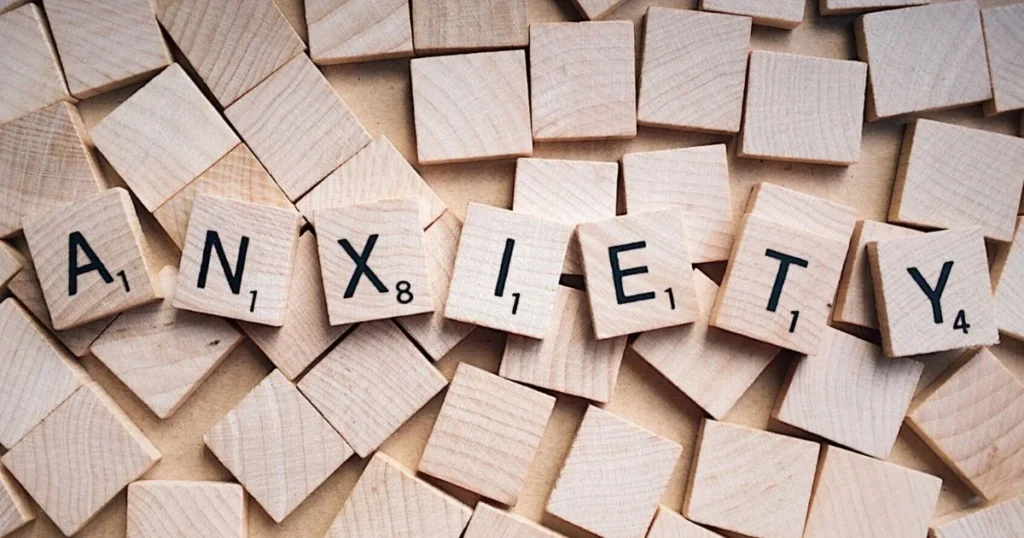
Your Toddler Crying When You Leave:
It’s not wrong behavior. It’s not clinginess. It’s attachment — and attachment is exactly what you want.
Separation anxiety in toddlers is a sign that your child has formed a secure bond and understands that you exist even when they can’t see you. That understanding — called object permanence — develops around 6 to 8 months, and it’s what makes separation feel real and significant for the first time. Before they understood you could leave, they didn’t know to worry about it.
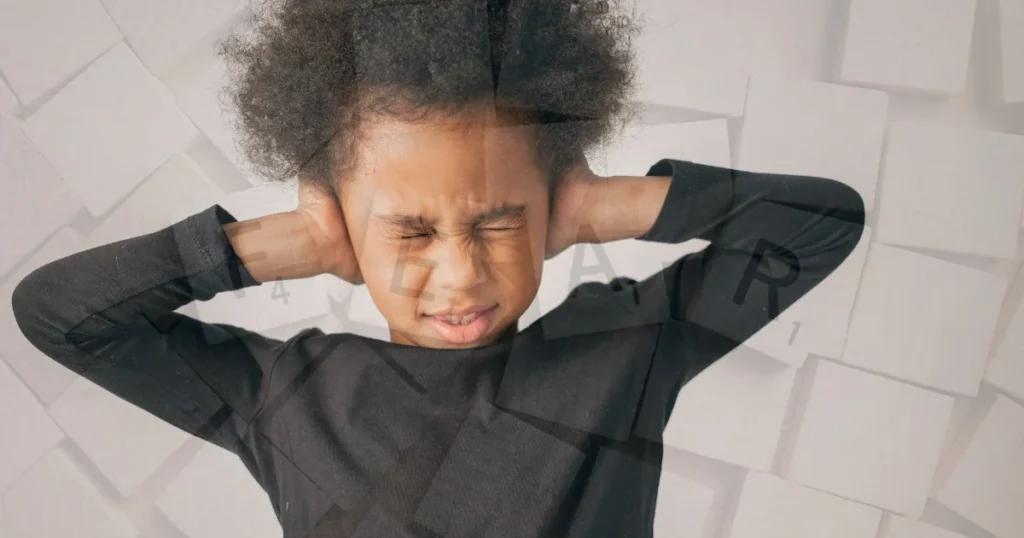
73% of infants between 8 and 14 months experience separation anxiety. It typically starts around 6 months and peaks between 10 and 18 months. Most children grow out of it by age 3 — though the range is wide and some toddlers skip the infant peak entirely and start at 15 or 18 months instead.
Here’s what nobody told me — what looks like clinginess is actually about nervous system capacity, not behavior. A toddler’s brain doesn’t yet have the regulation tools to manage the distress of separation calmly. They’re not pressuring. They’re genuinely emotionally exhausted.

6 to 12 Months — What I First Noticed
Around 8 months, Ayla stopped being happy to go to anyone.
Family members she’d smiled at for months suddenly made her cry if they reached for her. Being put down when she could see me was fine. Being put down when I left the room was not. The distinction was that clear and that sudden.
Here’s what nobody told me — this is healthy. The discomfort of separation at this age is a sign that attachment is working exactly as it should. A baby who shows no preference for their primary caregiver at 8 months is actually the more concerning pattern.
I started practicing what I later found out was called “peek-a-boo attachment” — short, consistent disappearances and reappearances. Leave the room, come back. Leave the room, come back. The message is: I go, but I always come back. Repeated often enough, that message starts to land. It takes weeks, not days.
12 to 18 Months — When Things Got Harder
This was the daycare phase. And the sneaking out mistake.
I’ve been there — telling myself the quick escape was kinder because she wouldn’t see me leave and wouldn’t get upset. Every expert, every research source, every pediatrician says the same thing: sneaking out breaks trust. The child doesn’t see you leave — they see you disappear. And now they can’t trust that you’re there even when you appear to be.
The AAP is clear on goodbye routines — keep them brief, warm, and consistent. Same sequence every time. “I love you, I will be back at three, have fun.” Then go. Don’t linger. Don’t extend. Don’t sneak.
Prolonging the goodbye makes it harder, not easier. I was extending ours because leaving while she was crying felt wrong. But a longer goodbye means more distress, not less. The crying is shorter when the goodbye is shorter. That counterintuitive truth took me an embarrassingly long time to accept.
Let me be real with you — 70% of children with separation anxiety have difficulty with bedtime routines. I hadn’t connected those two things until I read it. The same dynamic that made daycare drop-offs hard was also showing up at bedtime — needing me present to fall asleep, waking and calling for me, resisting being alone in the room. Same root. Different situation.
What Surprised Me Most
Two statistics genuinely stopped me.
First — 30 to 40% of Separation Anxiety Disorder cases co-occur with ADHD, and 50% co-occur with Oppositional Defiant Disorder. I hadn’t known those connections existed. What this means in practice is that sometimes what looks like severe separation anxiety is part of a larger picture that deserves professional attention rather than just more patience and better goodbye routines.
Second — 15 to 20% of school-aged children have school absenteeism because of separation anxiety, and 3 to 5% have school refusal linked specifically to it. What starts as daycare tears can, in some children, become a significant barrier to education if it isn’t addressed. Most cases resolve naturally. Some don’t.
Honestly, this surprised me too. I had thought of separation anxiety as a toddler phase — something you get through and leave behind. It can be. For most children, it is. But it can also continue and make it stronger, which is worth knowing before you decide to wait it out for an unspecified period.
When to Talk to a specialist:
Most separation anxiety is developmental and requires time, regularity, and the right strategies — not clinical assistance.
But some situations do need professional support. If separation anxiety is lasting more than 4 weeks, interfering significantly with daily life, causing physical symptoms like stomachaches and headaches every time separation is anticipated, or showing up as school refusal — talk to your pediatrician. Don’t wait for another month to see if it resolves.
Separation Anxiety Disorder — the clinical diagnosis — affects 4.1% of children aged 3 to 17 annually. It’s different from typical developmental separation anxiety in its duration, intensity, and the degree to which it disrupts normal functioning. A pediatrician can help you understand which one you’re dealing with.
If your child is also showing significant oppositional behavior or attention difficulties alongside the anxiety — mention those together when you speak to the doctor.
What Actually Helped Us
Three things that made a real difference — not overnight, but over weeks.
Consistent, short goodbyes. Same words, same sequence, same warmth, same brevity. Every single time. Predictability is what builds trust. When the goodbye is always the same, the child’s nervous system starts to anticipate what comes next — including your return.
Always returning exactly when promised. During practice separations — short ones, building up — I said, “I’ll be back in five minutes,” and came back in five minutes. Not ten. Five. The return on time is the thing that teaches the absence is survivable. This single habit built more trust than anything else I did.
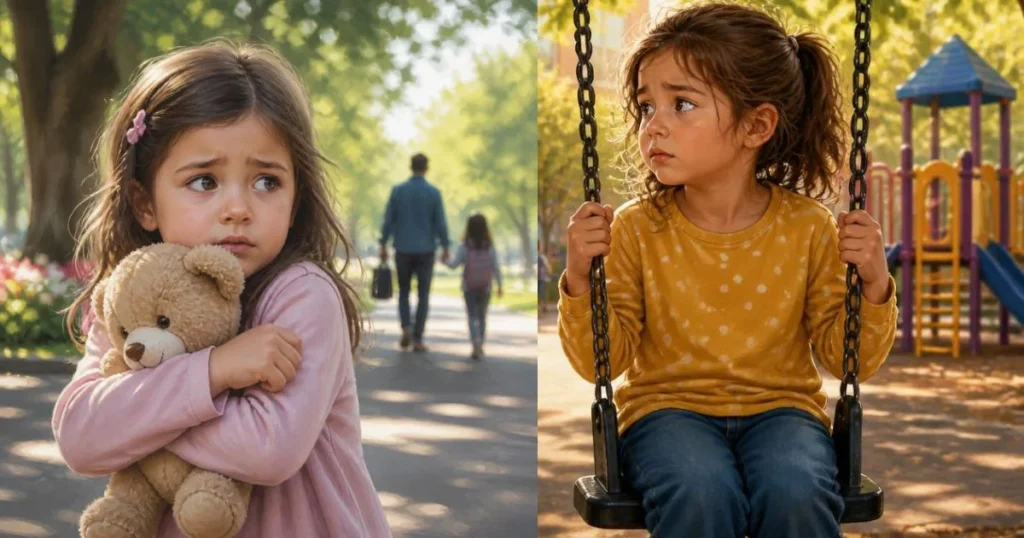
Not sneaking. Ever. This one was the hardest to commit to because leaving while she was upset felt actively cruel. But the research and my own experience both say the same thing — a tearful goodbye you’re present for is less damaging than a disappearance. She can recover from seeing me leave. The uncertainty of a sneak-out is harder to recover from.
The bathroom — I just stopped locking the door. Easier for everyone.
FAQ
1. Is toddler separation anxiety normal?
Yes — very. 73% of newborns during the 8 and 14 months experience it, and it’s a sign of health, not a problem. Most children grow out of it by age 3. However, the timing varies.
2. Should I quietly leave to avoid crying?
No — this is a very common and big damaging mistake. When you disappear without warning, your child can’t see you leave, which means they can’t trust you’re there even when they can see you. A brief, consistent goodbye — even a tearful one — builds more trust than a quiet exit.
3. How long should a goodbye take?
Short. Same words, same warmth, same sequence, then go. Prolonging the goodbye extends the distress rather than reducing it. The crying is usually shorter after a brief goodbye than a drawn-out one.
4. What if my child has physical symptoms like stomachaches?
Physical complaints before anticipated separation — stomachaches, headaches — are common with separation anxiety. If they’re frequent and severe, mention them to your pediatrician. When physical symptoms appear regularly without a physical cause, that’s worth a proper evaluation.
5. When does separation anxiety become a disorder that needs treatment?
When it lasts more than 4 weeks, significantly interrupts daily functioning, causes school refusal, or is followed by physical symptoms and higher-level distress — talk to your pediatrician. Separation Anxiety Disorder affects about 4% of children and is treatable.
Ayla is three now. She still checks where I am when we’re in public — a quick glance, then back to whatever she was doing. That glance is the whole thing, really. She needs to know I’m always there for you.
The daycare corridor is two years behind us. The jacket-grabbing, the bathroom vigil, the sneaking-out mistake I made exactly once — all of it was just her figuring out that I came back.She knows now. And that was always the goal.
With love from BabyGuideNest 💛
A Quick Note
Just a mom is needed, not a child psychologist or a therapist. All things in the post come from my own experience and research I’ve read along the way. If your child’s separation anxiety is severe, persistent, or significantly disrupting daily life — please talk to your pediatrician. They can help you figure out whether what you’re seeing is typical development or something that would benefit from professional support.